The Power of Creative Placemaking to Activate Downtown Cores
Placemaking gives people a reason to come and stay. What the research shows, how creative placemaking activates urban spaces, and why it demands governance.
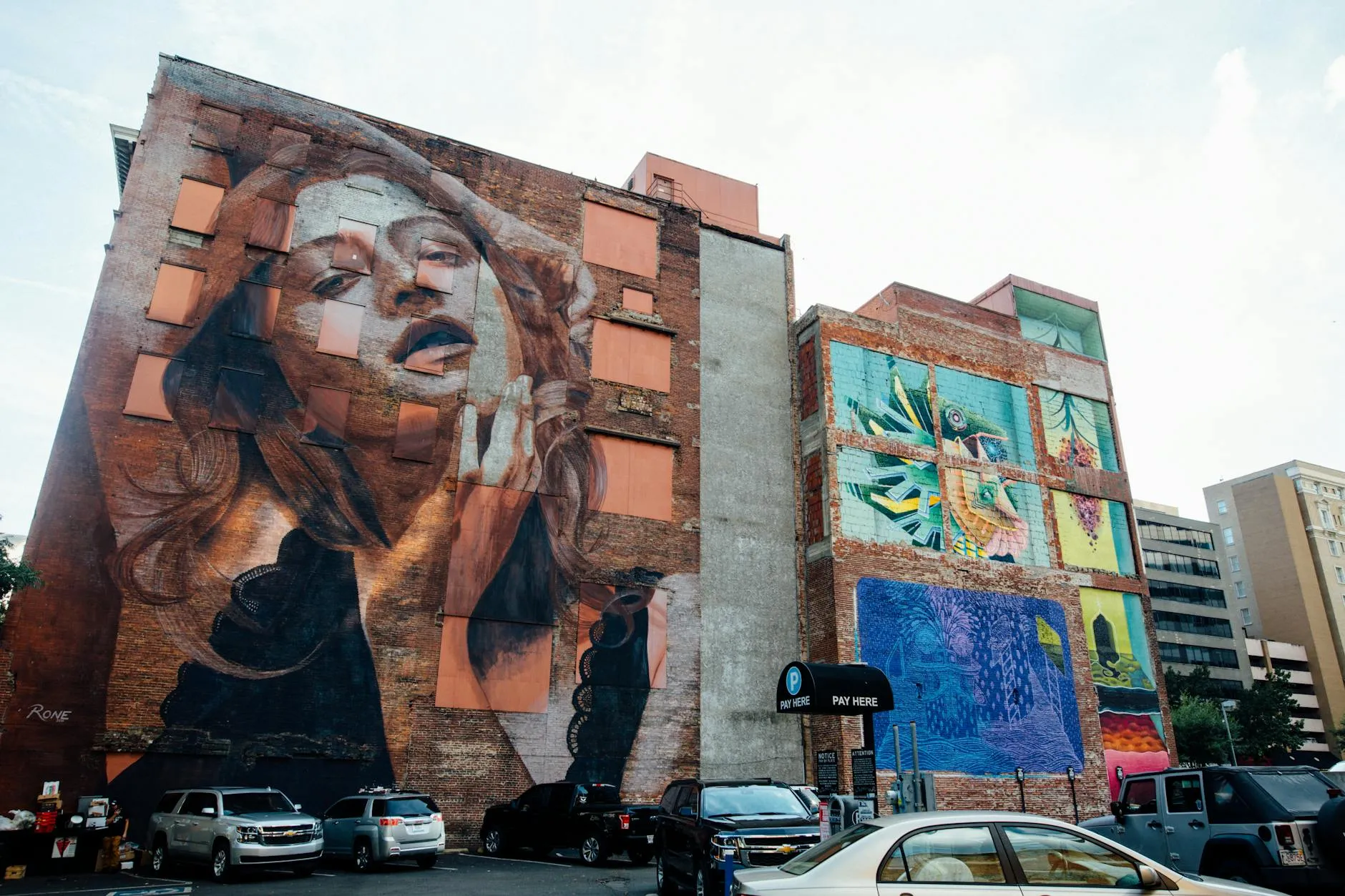
In the years I spent working real estate, we masterminded several city defining projects like Boston Seaport, the Wharf District, and Downsview aka YZD. The challenge of creating a new neighborhood is that you empty a large area, you dig massive holes, create dust and noise, and then build something great, but with no one in it. As Shakespeare put it in Coriolanus, “What is the city but the people?”
This idea is similar to what happened in the last 5 years. The cities got emptied out. The office towers are vacant. The retail shops are not seeing enough traffic to justify the rent. It’s basically the same problem as when we had to activate a new real estate development. How to bring people to your site and make them WANT to stay.
Urban developers know the importance of placemaking, but it is hard to calculate the ROI of public art and common area art installations.
What the research shows
A Toronto Metropolitan University study, “Augmenting places: The impact of placemaking on behavioral intentions” (City, Culture and Society, 2023), showed more than 560 participants 360-degree renderings of five spaces: a retail store, an office, a condo lobby, a public plaza and a transit station. Each space came in a plain version and a version with placemaking elements such as installation art, signage and interior design. With placemaking, a summary by Entro, one of the study’s partners, reports:
- a 50% increase in the intention to spend time there
- a 53% increase in positive perceptions of the location
- a 77% increase in the likelihood of recommending it
These are stated intentions in rendered spaces, not measured foot traffic. They point the same way as what many in real estate have long observed: placemaking gives people a reason to come and stay.
Through the integration of arts and culture into real estate development, creative placemaking transforms neighborhoods, sparking economic revitalization and community vibrancy. It enhances a sense of place, attracts forward-thinking investments, and fosters inclusive growth that reflects the community it serves. Given the inherent complexities involved in the operations of architecturally integrated artworks, proper infrastructure and management practice of these unique assets are crucial to the benefit of both longtime residents and new stakeholders.
If public art helps create value for real estate, and is more than a chattel to account for, how do we manage it like the asset it is?
After the public unveiling
A new public art installation is great PR and attracts politicians and community leaders. But once the big event is done, these creative placemaking installations still produce public attention. Curation and collection management keep the work documented, maintained and in place, so it keeps doing that work for the site.
The risk of not managing these unique objects is well documented and we get reminders many times a year of what happens when it’s neglected. In April 2025, the Dutch municipality of Maashorst reported that 46 artworks, including an Andy Warhol silkscreen of Beatrix, the former queen, had most likely been thrown away during a town hall renovation. The independent investigation found that “ownership was not properly established” and that no policies or procedures had been set for the renovation. Title contributed to a Forbes article on what that gap in planning cost.
Closer to home, Philadelphia Inquirer reporting, reprinted by Governing in February 2025 found that Philadelphia’s own inventory records flag 85 city-owned artworks as missing, about 8% of the collection. The city had not surveyed its full collection since 1997.
Best Practices for Managing Public Art
Creative placemaking pieces are often mobile, weather-exposed, or intentionally interactive. Managing them requires discipline and the right infrastructure. Here are the essentials:
- Comprehensive Inventory Management. Artwork is more than chattel and needs to be managed and recorded with the right level of detail to easily identify, maintain, and restore these unique objects.
- Location tracking. Know where every piece is, from external loans to internal storage.
- Work with pros to install or remove it. Being in the public domain means it might be integrated with the architecture, it needs to be moved off hours, and it needs to be done without damaging the work.
- Diversity and ESG metrics. Track artist background and thematic alignment with community needs.
- Insurance and risk documentation. Ensure accurate valuation and current coverage.
By adhering to these best practices, asset managers and cultural institutions can effectively oversee public art collections, ensuring they continue to enrich public spaces and resonate with communities.
Why Tools Like Title Are Essential
These incidents of missing public art highlight a simple truth: art needs asset-grade management.
That’s where a platform like Title steps in. Title enables:
- Digital documentation across large, distributed collections
- Valuation and maintenance tracking for each piece
- Collaborative access with your team, conservators, and insurers
- Collection data your sustainability team can use for its own ESG metrics
With Title, artworks are managed like the long-term cultural and financial assets they are.
As the real estate sector responds to shifting ESG expectations, public art offers an elegant solution: it humanizes our developments, supports diverse creatives, and gives people a reason to come and stay. But only if it’s managed properly.
Creative placemaking isn’t an afterthought. It’s a forward-looking investment, and it deserves the same oversight as any other asset on the balance sheet.
Documenting the social impact of your collection
For corporate collections that share their art with the community, the same record can do more. Title turns it into a digital showroom of that engagement, a Social Impact Report you can use for your own ESG metrics, and a one-page summary to share publicly. The report presents strengths and gaps. Where a certification question or reporting disclosure asks for evidence about art, the report supplies it in that item’s own terms. Your verifier or accountant decides what counts.