
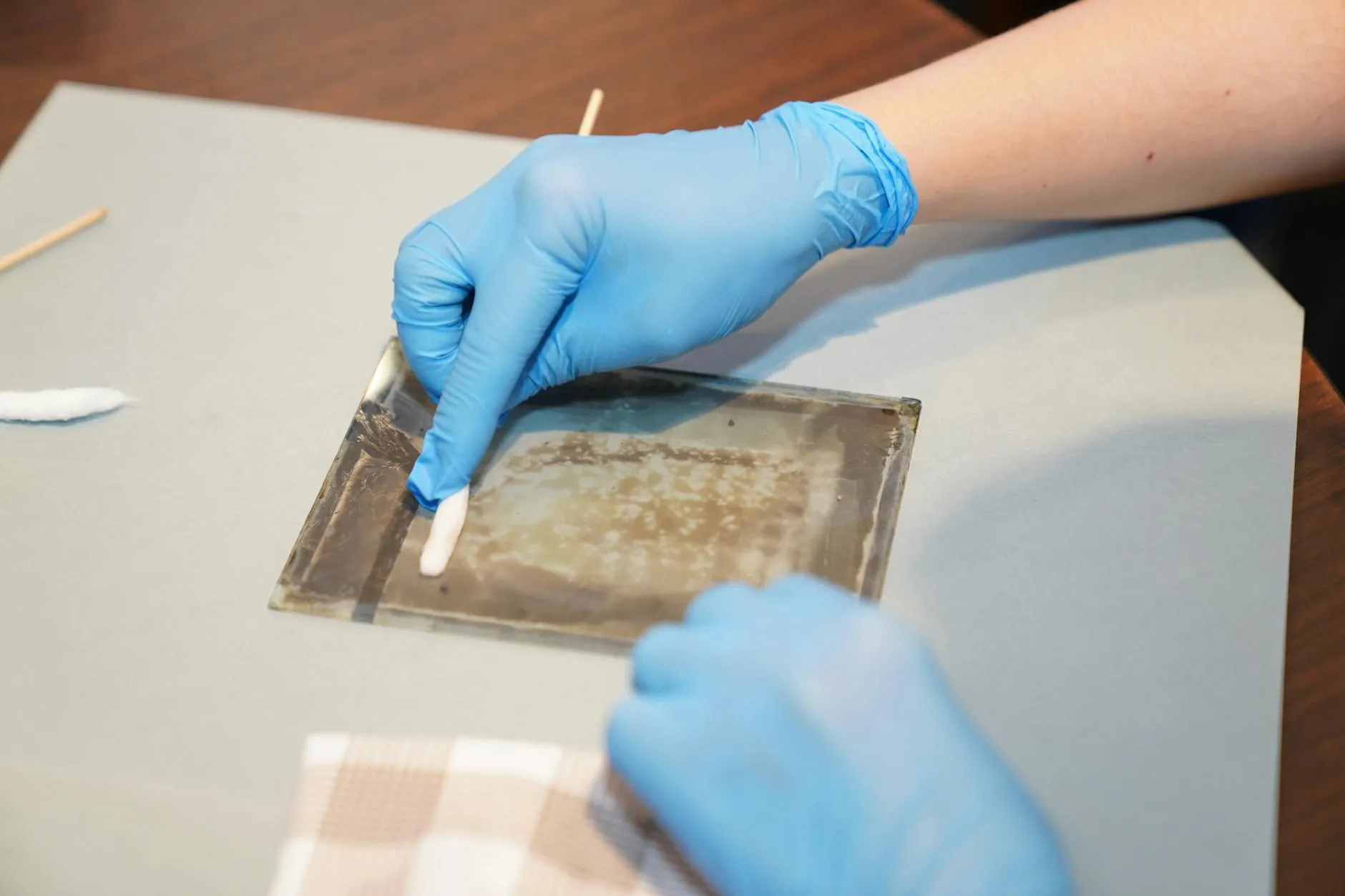
Every year, collections are damaged, lost, or devalued during transit. Not because of accidents, but because the wrong people were hired to move them. The instinct to treat a collection move like any other relocation is understandable. It is also expensive.
General movers vs. fine art handlers
A general moving company optimizes for speed and volume. They pack efficiently, load trucks tightly, and deliver on schedule. This works well for furniture. It does not work for a Calder mobile, a case of first-growth Bordeaux, or a collection of nineteenth-century daguerreotypes.
Fine art handlers operate on different principles:
- Custom crating. Every piece gets a crate or packing solution designed for its specific dimensions, material, and fragility. Soft-packing a painting is not the same as soft-packing a sculpture.
- Climate control. Temperature and humidity fluctuations cause more damage than impact. Specialized carriers maintain environmental conditions throughout transit.
- Chain of custody. Every handoff is documented. From wall to crate to truck to storage to wall, the record is continuous.
- Insurance alignment. Fine art carriers operate under policies that actually cover collection-grade valuations. A general mover’s cargo insurance typically caps at a fraction of a collection’s value.
The hidden risks
Damage during transit is the obvious risk. The less obvious risks often matter more:
Insurance gaps. If a piece is damaged in transit and the mover’s policy doesn’t cover the appraised value, the collection owner absorbs the loss. Many discover this after the fact.
Provenance disruption. Poor documentation during a move can create gaps in provenance records. For works with significant resale value, an undocumented period of transit can reduce marketability.
Environmental exposure. Paintings stored in a non-climate-controlled truck for 48 hours during a cross-country move can develop micro-cracking that won’t be visible for years.
Regulatory complications. International moves involve customs declarations, CITES permits for certain materials, and export regulations that vary by country and object type. General movers rarely handle these.
What a proper collection move looks like
A well-managed collection move follows a structured process:
Pre-move survey. A specialist visits the site, documents every piece, assesses condition, and designs the packing and transport plan.
Custom preparation. Crating and packing are fabricated to specification. Pieces are photographed before and after packing for condition comparison.
Staged transport. Rather than loading everything at once, pieces move in logical groups with appropriate environmental controls for each.
Installation. At the destination, specialists handle unpacking, condition checks, and installation. The condition report closes the loop.
When it matters most
Three scenarios carry the highest stakes:
- Estate distributions where pieces are shipping to multiple beneficiaries across different locations.
- Corporate relocations where a collection must move between offices without disrupting business operations.
- International transfers where customs, insurance, and regulatory compliance add layers of complexity.
In each case, the cost of specialized handling is a fraction of the potential loss from getting it wrong.
How Concierge coordinates logistics
Title Concierge manages collection logistics end-to-end. We source qualified carriers from our specialist network, coordinate surveys and scheduling, oversee packing and transport, and handle documentation. The collection owner’s involvement is limited to approving the plan and opening doors.